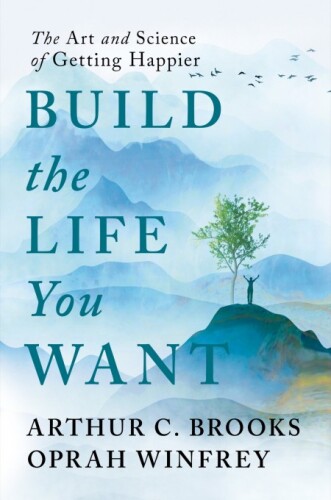
Build the Life You Want: The Art and Science of Getting Happier
Watch
Key takeaways
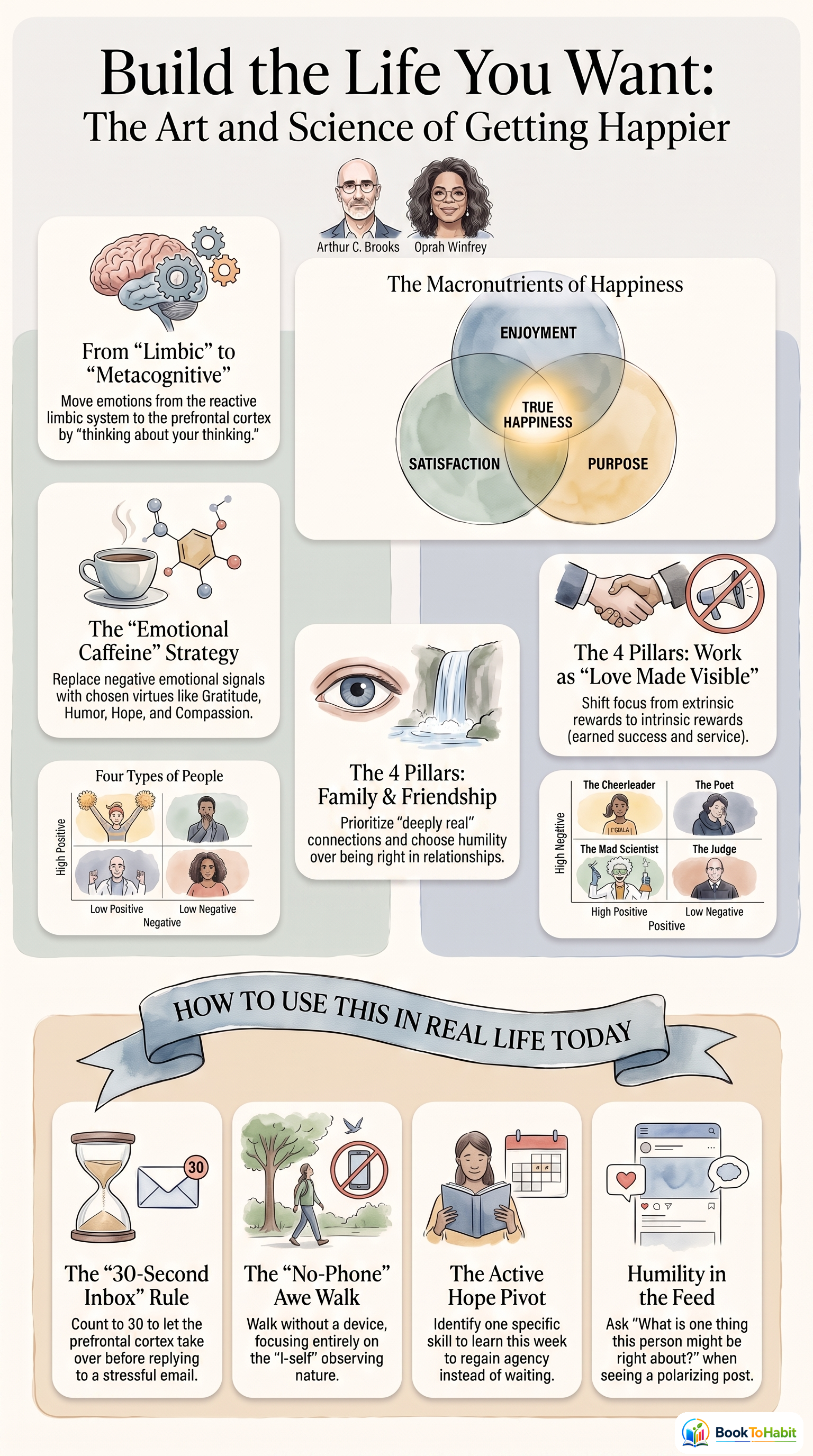
- Balance three macronutrients: Happiness blends enjoyment, satisfaction, and purpose. Chase all three together instead of hunting one perfect state of bliss.
- Choose enjoyment over pleasure: Pleasure is a fleeting animal instinct. Enjoyment adds people and awareness, turning a moment into a lasting reward.
- Practice metacognition: Think about your thinking. Move a reaction from the impulsive limbic system to your reasoning prefrontal cortex before acting.
- Count to thirty: When something hijacks your mood, pause. The delay lets your thinking brain, not your reflexes, choose the response.
- Use gratitude as fuel: Treat gratitude as emotional caffeine. Substitute a higher feeling for fatigue or frustration to shift your state fast.
- Pick hope over optimism: Optimism just waits for good outcomes. Hope takes action. Name one small step you can take to reclaim control.
What is Build the Life You Want: The Art and Science of Getting Happier about?
Happiness isn't something you find; it's something you engineer. In "Build the Life You Want," Arthur C. Brooks and Oprah Winfrey provide the blueprint to shift from being a passive observer of your mood to the active CEO of your well-being.
The journey to a better life begins by understanding that happiness is not a singular feeling but a combination of three "macronutrients": Enjoyment, Satisfaction, and Purpose. While many mistake pleasure for happiness, Brooks and Winfrey clarify that pleasure is a fleeting animal instinct. Enjoyment, by contrast, is a human achievement that requires adding communion and consciousness to our experiences. To build a lasting foundation, you must balance these three elements rather than chasing a single state of bliss or fruitlessly trying to avoid all discomfort.
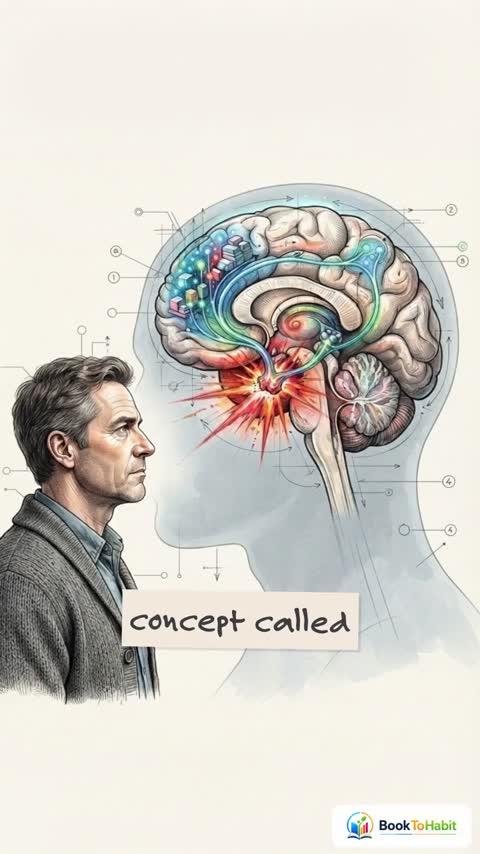
Central to this transformation is the power of "Metacognition," or thinking about your thinking. The brain operates through a triune process: Detection (noticing a stimulus), Reaction (the limbic system triggering a primary emotion), and Decision (the prefrontal cortex choosing a conscious response). By intentionally moving experiences from the impulsive limbic system to the analytical prefrontal cortex, you learn that unhappiness is not the enemy but a vital signal for survival and personal growth. This shift allows you to choose your response to life's circumstances rather than being a prisoner to your initial feelings.
To put these theories into practice, consider this your modern playbook for emotional agency. In the workplace, when a passive-aggressive Slack notification threatens to hijack your mood, utilize the "count to thirty" rule to ensure your prefrontal cortex, not your limbic system, handles the response. Within your digital routine, disabling "self-view" on Zoom or removing mirrors helps reduce the burden of "me-self" objectification, allowing you to focus on the world rather than your reflection. During moments of physical or mental exhaustion, you can utilize gratitude as "emotional caffeine" to substitute a higher virtue for your fatigue. Finally, when facing an uncertain economy or job market, choose the active agency of hope over the passive waiting of optimism, identifying one small action you can take to reclaim control.
FAQ
What is Build the Life You Want: The Art and Science of Getting Happier about?
Happiness isn't something you find; it's something you engineer.
What are the key takeaways from Build the Life You Want: The Art and Science of Getting Happier?
Balance three macronutrients: Happiness blends enjoyment, satisfaction, and purpose. Chase all three together instead of hunting one perfect state of bliss. Choose enjoyment over pleasure: Pleasure is a fleeting animal instinct. Enjoyment adds people and awareness, turning a moment into a lasting reward. Practice metacognition: Think about your thinking. Move a reaction from the impulsive limbic system to your reasoning prefrontal cortex before acting.
Is there a free summary of Build the Life You Want: The Art and Science of Getting Happier?
Yes. This page has a short video summary and a free one-page infographic of Build the Life You Want: The Art and Science of Getting Happier that you can read in about a minute.
Updated 2026-09-19