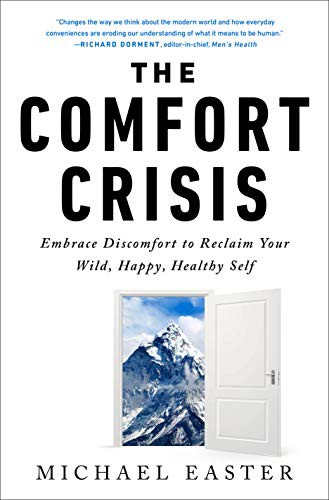
The Comfort Crisis: Embrace Discomfort to Reclaim Your Wild, Happy, Healthy Self
Watch

Key takeaways
- Attempt a misogi: Take on an epic challenge in nature with only a 50 percent chance of success. It resets your capacity for stress.
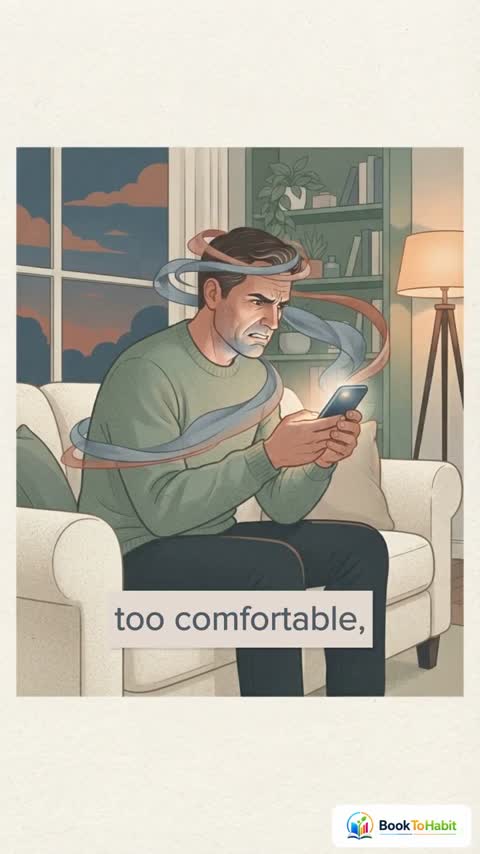
- Beat comfort creep: Fewer problems do not bring contentment. We just lower the bar and start treating neutral things as threats.
- Try micro-rucking: Carry a weighted pack on your walk or errands. Loaded movement builds the functional strength your ancestors relied on.
- Take a cold hit: Brief cold and heat exposure trigger heat shock proteins and BDNF, protecting your brain and building resilience.
- Enter unfocused mode: Disconnect from screens so your brain can rest and process. A 24-hour analog fast restores creative thinking.
- Reclaim boredom: Constant stimulation fuels modern anxiety. Sit with discomfort and let your mind wander to restore itself.
What is The Comfort Crisis: Embrace Discomfort to Reclaim Your Wild, Happy, Healthy Self about?
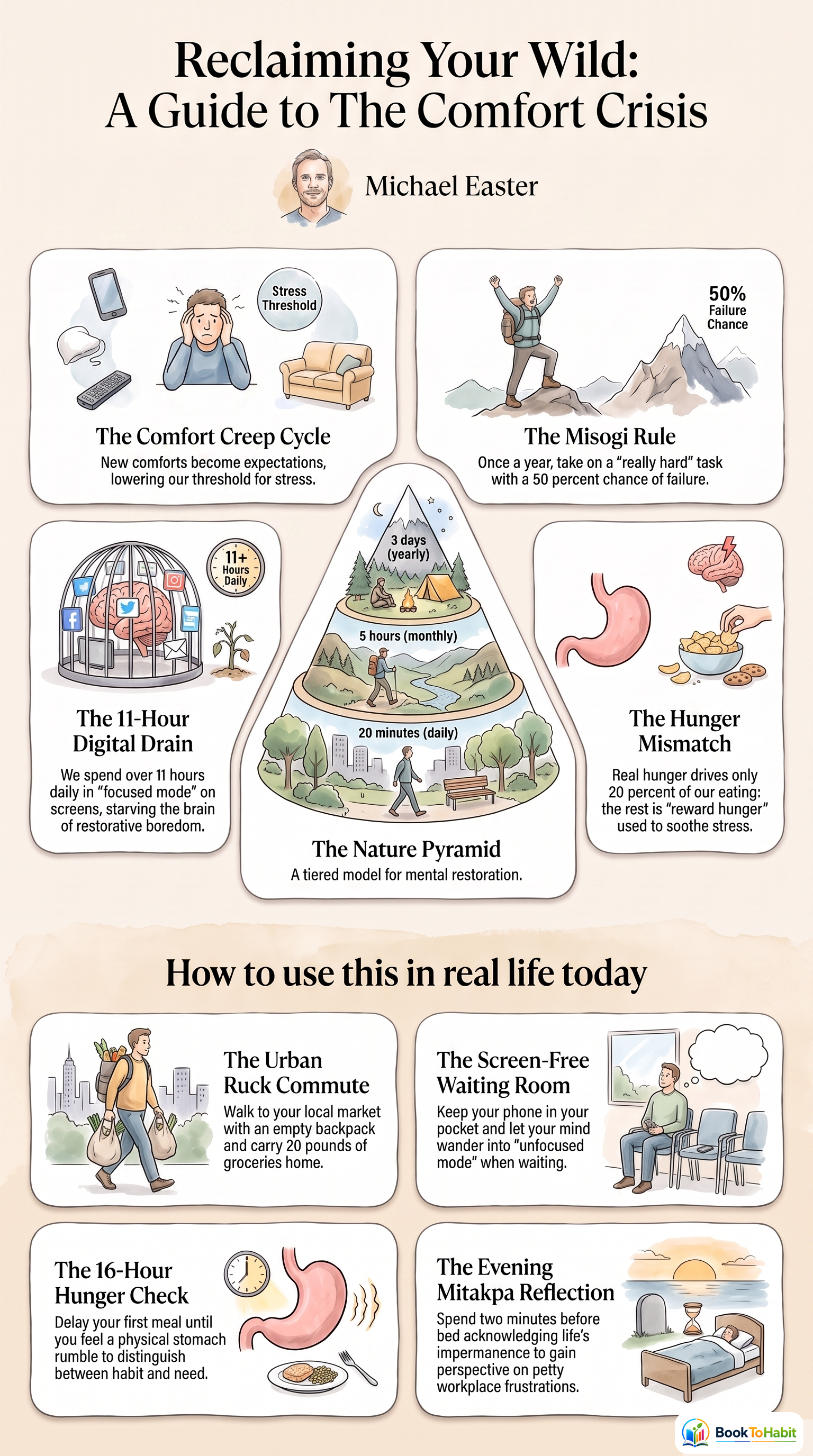
Modern convenience is a radical 100-year experiment that is fundamentally failing our biology. We have traded ancestral resilience for a sterile, 72-degree existence, fueling a surge in modern "diseases of despair."
Paragraph 1 (Core Ideas): We are suffering from "Comfort Creep." As Harvard psychologist David Levari demonstrated in his "800 faces" experiment, when humans experience fewer problems, we do not become more satisfied. Instead, we lower our threshold for what we consider a problem, beginning to perceive neutral situations as threatening. This evolutionary mismatch is lethal. For 99.996 percent of human history, our ancestors thrived on struggle. To reset our internal capacity for stress, we must embrace the "Misogi," an epic challenge in nature where the chance of success is only 50 percent, even if you execute the task perfectly.
Paragraph 2 (The Mechanics): Seeking discomfort triggers powerful biological machinery. Intense physical strain and temperature shifts activate heat shock proteins and BDNF, a chemical that promotes neuron growth and protects against cognitive decline. While learning new skills initiates the vital process of myelination to build efficient nerve signals, we also require "unfocused mode." By disconnecting from digital anchors, we allow the brain to enter a rest state essential for restoration and creative processing. This move helps resolve the "Savanna Theory" mismatch where high population density and constant stimulation fuel modern anxiety.
Paragraph 3 (Application): To break the cycle, you must manually reintroduce the challenges your DNA expects. Start with a 24-hour analog fast, removing all technology to force your brain into a state of restoration. Try cold-exposure commuting by walking in winter without a heavy coat to trigger your body's internal temperature regulation. Finally, embrace micro-rucking. Carry your groceries in a weighted pack or wear a weighted vest during household chores to build the functional strength our ancestors once used to carry 100-pound hauls of meat across the tundra.
FAQ
What is The Comfort Crisis: Embrace Discomfort to Reclaim Your Wild, Happy, Healthy Self about?
Modern convenience is a radical 100-year experiment that is fundamentally failing our biology.
What are the key takeaways from The Comfort Crisis: Embrace Discomfort to Reclaim Your Wild, Happy, Healthy Self?
Attempt a misogi: Take on an epic challenge in nature with only a 50 percent chance of success. It resets your capacity for stress. Beat comfort creep: Fewer problems do not bring contentment. We just lower the bar and start treating neutral things as threats. Try micro-rucking: Carry a weighted pack on your walk or errands. Loaded movement builds the functional strength your ancestors relied on.
Is there a free summary of The Comfort Crisis: Embrace Discomfort to Reclaim Your Wild, Happy, Healthy Self?
Yes. This page has a short video summary and a free one-page infographic of The Comfort Crisis: Embrace Discomfort to Reclaim Your Wild, Happy, Healthy Self that you can read in about a minute.
Updated 2026-09-20